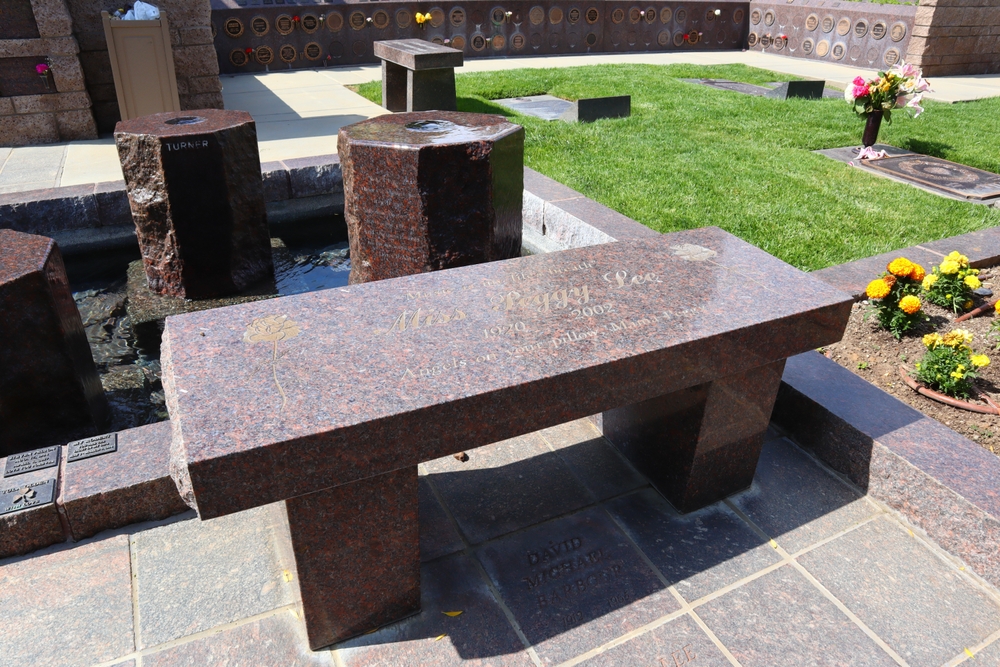
Throughout history, religious art has found its way onto headstones, grave markers, and memorials all around the world. This four-part series takes a close look at the symbolism and meaning behind this use of religious art to commemorate and celebrate the lives of those we love.
Part 3: Asian Religious Art
Saturated with religion, the continent of Asia features many of the world’s major religious traditions, including Buddhism, Hinduism, Confucianism, Christianity, Taoism, Islam, and others. Since this blog post doesn’t have room to even scratch the surface of the various forms of religious art offered by these traditions (and in honor of Asian-Pacific American Heritage Month), here are some of Asian religious art’s most recognizable symbols and their related meanings.
Dharma
Wheel: Also known as the "Wheel of Life,” the dharma wheel is the globally
recognized symbol of Buddhism. The dharma wheel features a chariot wheel with
eight (or more) spokes and represents "dharma,” the Buddha’s teaching on the
path to enlightenment. When used on headstones, grave markers, and memorials,
the dharma wheel most likely functions to symbolize the quest for
enlightenment.
Lotus
Flower: Though a symbol used by many of Asia’s religious traditions, the
lotus flower primarily represents beauty and detachment in Hinduism. Rooted in
the mud, but floating gracefully on top of the water, these flowers model the Hindu
way of life. Used on headstones, grave markers, and memorials, the lotus flower
typically signifies the tranquility that results from detaching from mundane
things.
Calligraphy:
One of the "six arts” historically required of adherents of Confucianism, the
act of calligraphy functions to reveal the inner life of the calligrapher. Often
used to artistically express the "five virtues” of Confucianism—humanness,
righteousness/justice, propriety/etiquette, knowledge, and
integrity—calligraphy still plays a major role in the religion today. When used
on headstones, grave markers, and memorials, calligraphy most likely expresses
one of these five virtues.
Star and
Crescent: Though the Quran opposes images or symbols, the star and crescent
has come to function as the working symbol of Islam. The history of the symbol
is relatively unclear, but it began to be associated with Islam around the time
of the Ottoman Empire. Used on headstones, grave markers, and memorials, the
star and crescent probably symbolizes the deceased’s identification with Islam.
As mentioned above, Asian religious art features many more symbols than those mentioned here, but these brief explanations will hopefully enable you to understand their meanings when you see these symbols on headstones, grave markers, and memorials, or when you’re wondering how best to commemorate and celebrate the lives of those you love. For more information about Asian-Pacific American Heritage Month, please visit http://asianpacificheritage.gov/about.html.
Related Articles:
Our survey only takes a few minutes and can help us improve your experience on our website.